How do you make the move into rural and remote nursing? The good news is, there isn’t a single right pathway. Nurses arrive in rural and remote work from many different careers and stages.
We spoke with Ally, Annette and Stuart, three Alliance nurses who each found their way into rural and remote work via very different routes.
What experience do I need for rural and remote nursing?
The short answer is: there isn’t a single checklist of roles or qualifications.
Rural and remote services rely on nurses with a wide range of experience. Some nurses arrive with decades of experience across wards, theatres and emergency departments. Others come from long careers in a single specialty and find their skills translate well. You may need to build confidence gradually, starting in a regional setting before heading further afield.
What matters isn’t where you started, but how your experience has shaped the way you assess, adapt and respond. Rural and remote health settings need nurses who can think broadly, stay calm and work with what’s available.
Learn more: Difference between regional, rural and remote nursing
Ally’s story: EN → RN → regional nursing → rural and remote nursing
Ally didn’t follow a straight line into rural and remote nursing. She began her career as an enrolled nurse, later transitioning to registered nursing. She built experience across a wide range of settings, including wards, theatre, emergency care and management.
Before moving further afield, Ally took a deliberate step to prepare by taking a contract role in a regional area.
“About 12 months before I went rural and remote, I moved to a facility only a couple of hours from a major city. I got experience across the wards, emergency and clinics before I took my first theatre contract on Thursday Island.”

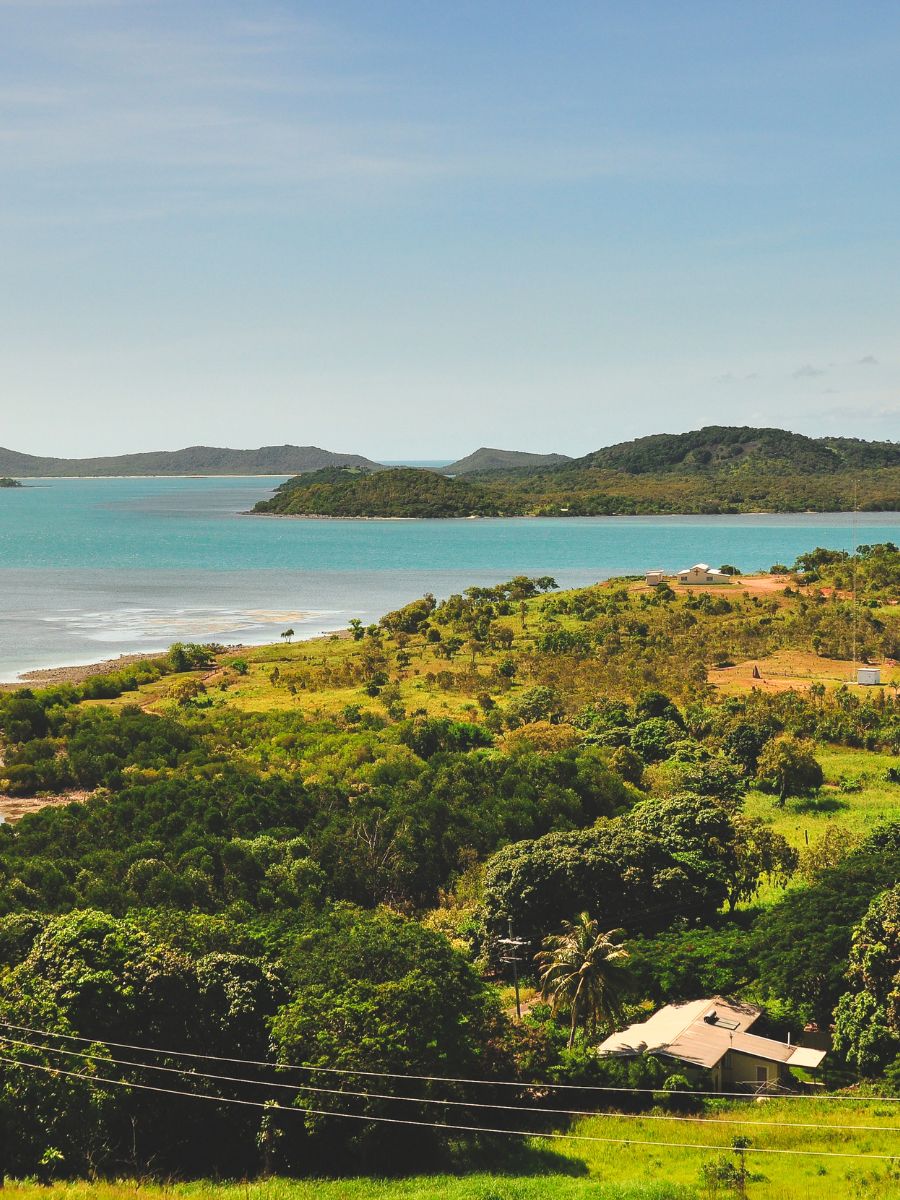
Thursday Island, Torres Strait Islands, Far North Queensland
That regional role helped Ally build confidence without rushing the transition. From there, she gradually moved into smaller, more remote settings, learning how to adapt her skills.
“You might be the nurse, but you might also drive the ambulance. You might be the cleaner if the cleaner’s off sick. You might have to cook for the RFDS when they come to do a clinic. So it’s very diverse.”
Annette’s story: emergency nursing → agency work → rural and remote nursing
Annette spent much of her nursing career in emergency departments, working in a busy hospital on the north coast of New South Wales. Over the years, she built strong experience in acute care and took on senior responsibilities, including after-hours supervision, infection control manager and shift management.
But it was exposure to agency nurses working alongside her that first planted the seed for change.
“I work full-time, then I’ll do a contract and take a week or two off. It’s freedom. Freedom to do what I want to do. My husband says it’s like retirement, but better.”
That curiosity led Annette and her husband to buy a caravan and hit the road with their dog. Annette picks up rural and remote contracts along the way. Her work has taken her nursing across Queensland and New South Wales, from larger regional hospitals to smaller multipurpose health services. Each contract has brought new environments, new teams and new communities.
For Annette, agency work created flexibility she hadn’t had before.
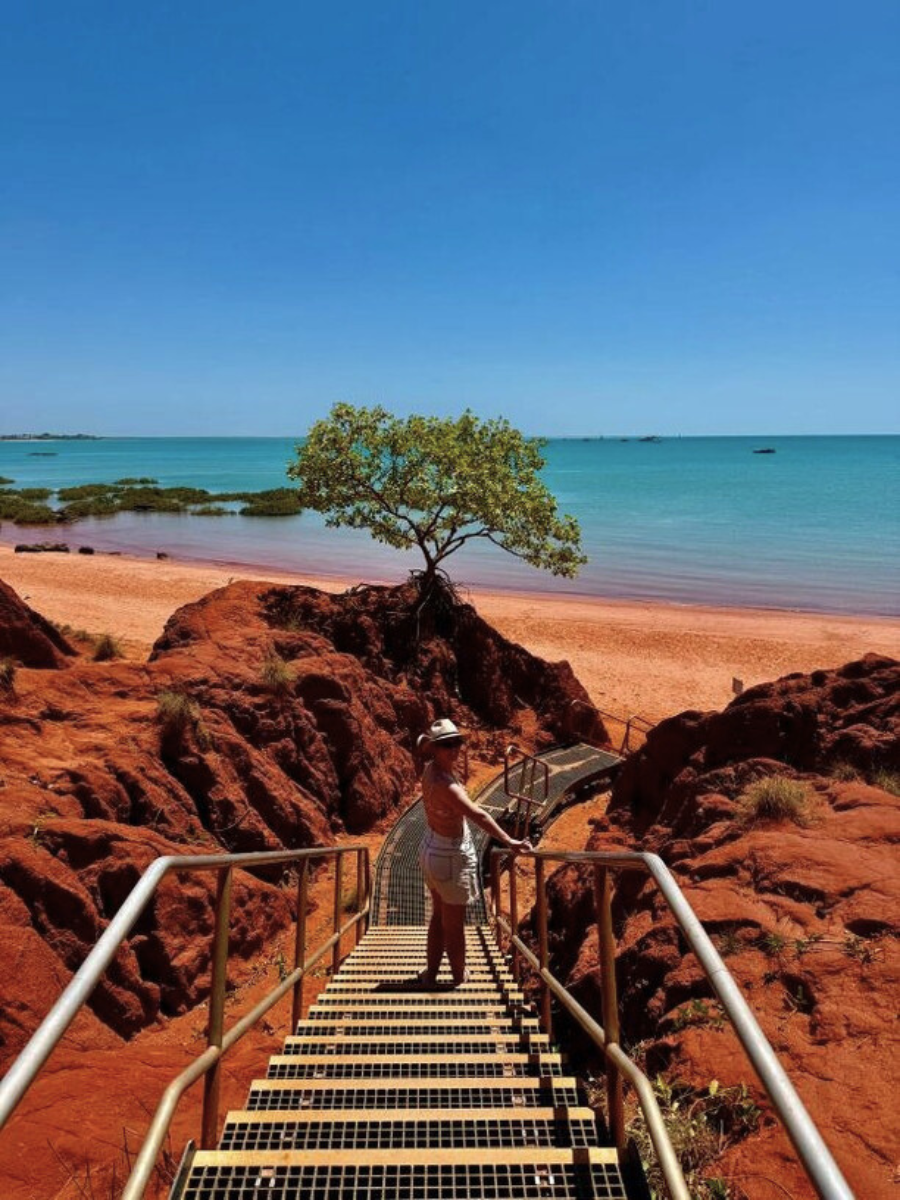 Simpson's Beach, Broome (@lilli_barry.travels)
Stuart’s story: metro nursing → education and leadership → regional and remote nursing
Stuart came to nursing after another career altogether. Before becoming a registered nurse, he managed pubs, experience that gave him strong people skills.
After training in the 1990s, Stuart worked in metropolitan hospitals before moving into education and leadership roles. His career spanned ward-based nursing, clinical nurse consultant roles, oncology, public health and pandemic response.
“I was constantly looking for new challenges. I got to do a lot of very cool things. From cyclone response planning to short stints supporting indigenous health services when they had staffing shortages.”
Like many nurses, the pandemic prompted Stuart to reassess what he wanted from work. After leaving Queensland Health, he decided to try agency nursing, combining contract work with travel in a caravan alongside his wife.

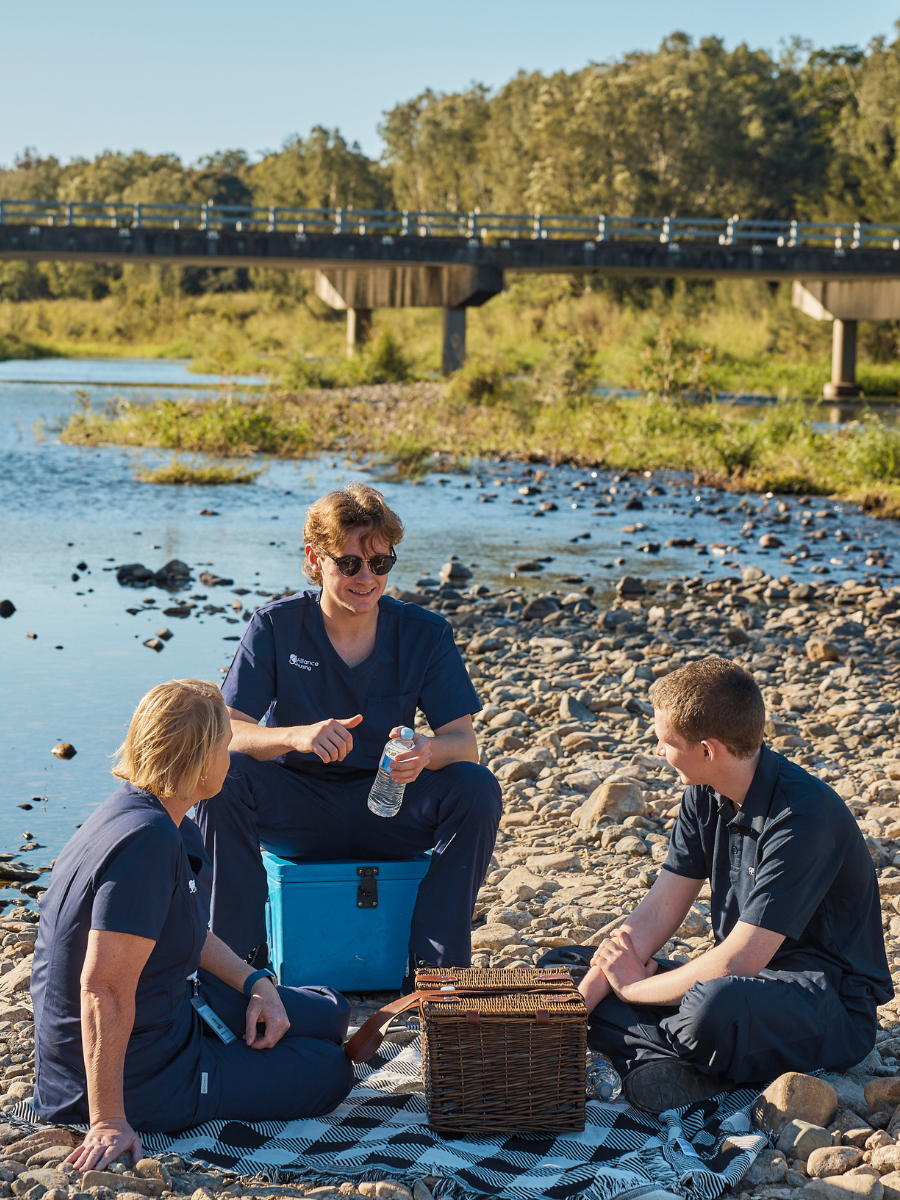
Mackay branch picnic, Queensland.
What he didn’t expect was how well his experience would translate into regional settings, or how valued it would be.
“You’re not just working in a smaller hospital. You’re working in a community that really appreciates you being there and appreciates what you bring.”
Stuart now works in regional hospitals where his skills are used across emergency, wards and after-hours management. He’s also able to support graduate nurses and smaller teams - something he finds deeply rewarding.
Alliance supports your pathway into rural and remote nursing
Our focus isn’t just on filling contracts. It’s on understanding where you are in your career, what experience you bring, and what your next step could look like. For some nurses, that means starting in a regional setting. For others, it’s transitioning into contract work or building confidence before heading further afield.
Whether your pathway looks like Ally’s, Annette’s or Stuart’s, or something entirely different, our team will work alongside you to map a path for your skills and career goals.
It’s as easy as registering with us to get the ball rolling. You can also watch our Nursing Beyond the City webinar, where Ally, Annette and Stuart all appear.